
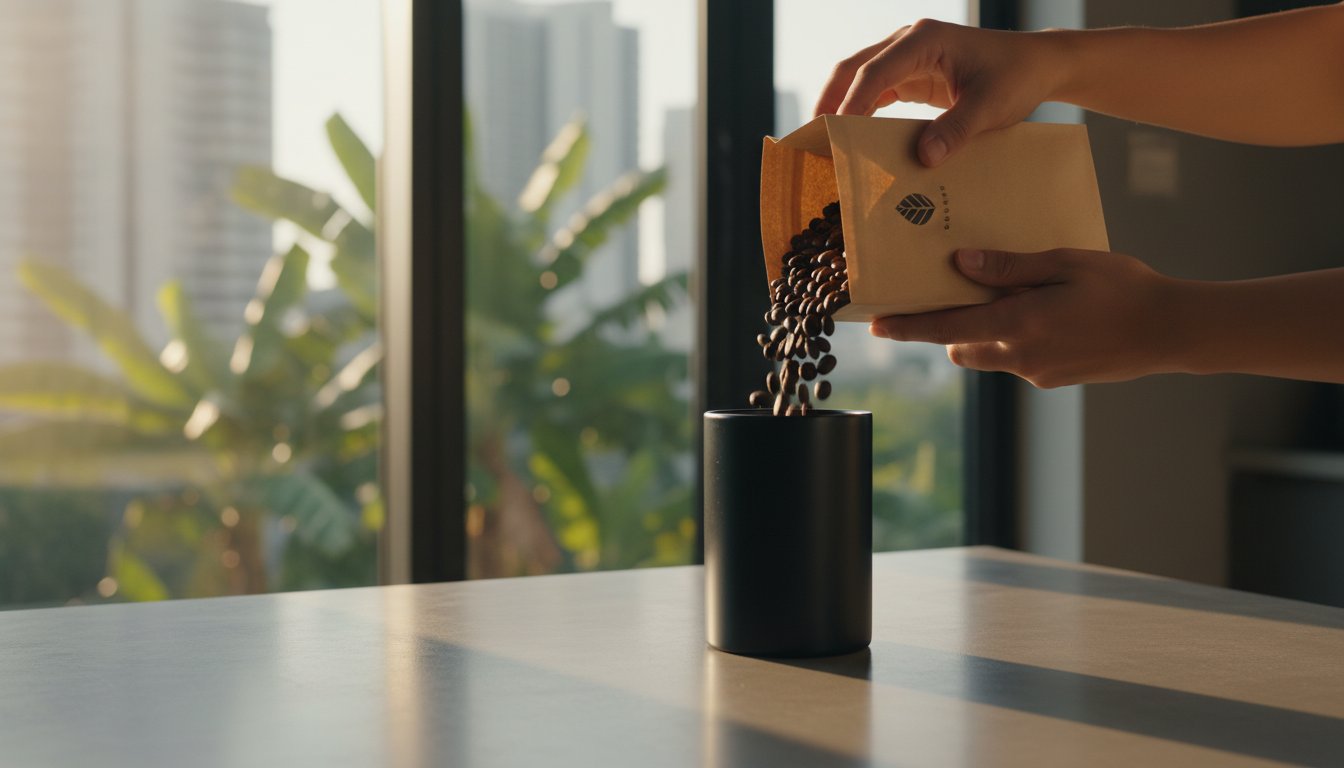
How to Store Coffee Beans to Keep Them Fresh: A Roaster's Guide
There's nothing more heartbreaking for a coffee lover than watching a beautiful bag of specialty beans lose its magic. You bring home that promising new single-origin, full of vibrant aromas, only for it to taste flat and stale just a week later. The confusion is real: should you use the freezer? Is that expensive canister actually working? If you're tired of your coffee investment losing its flavour far too quickly, you're in the right place.
As roasters, we're passionate about preserving the integrity of every single bean. Our purpose is to empower you with that same hands-on knowledge. This guide cuts through the myths to give you the definitive, science-backed answer on how to store coffee beans to keep them fresh. We're sharing the exact principles we follow at our Singapore roastery to lock in those complex, beautiful flavours from the first cup to the last. Get ready to feel confident that you're no longer wasting good beans and are finally equipped to brew consistently incredible coffee at home.
Key Takeaways
Master the science of freshness by identifying coffee's four key enemies-oxygen, light, heat, and moisture-to protect your beans' precious flavour.
Unlock our simple, 4-step roaster-approved method for perfect coffee storage, ensuring every brew is as vibrant and aromatic as the last.
Learn how to store coffee beans to keep them fresh by choosing the right container; we reveal why an airtight, opaque canister is non-negotiable.
Stop damaging your coffee. We bust the most common storage myths (yes, even the one about the freezer!) with the science to prove why they kill flavour.
Table of Contents The Science of Freshness: Understanding Coffee's Four Enemies The Golden Rules of Coffee Storage: A 4-Step Method Choosing the Best Coffee Storage Container Common Coffee Storage Myths, Debunked by Roasters From Bean to Cup: How Storage Impacts Your Brew
The Science of Freshness: Understanding Coffee's Four Enemies
That incredible aroma you get when you open a new bag of specialty coffee? That’s the smell of potential-a complex symphony of volatile aromatic oils and soluble compounds just waiting to create an unforgettable cup. But this vibrant state is delicate. From the moment they leave the roaster, beans begin a chemical process called staling. The good news is, you have the power to slow it down. Understanding how to store coffee beans to keep them fresh is about creating a defence against the elements. It’s a crucial piece of knowledge in the coffee preservation process that protects the integrity of every single bean.
Enemy #1: Oxygen (Oxidation)
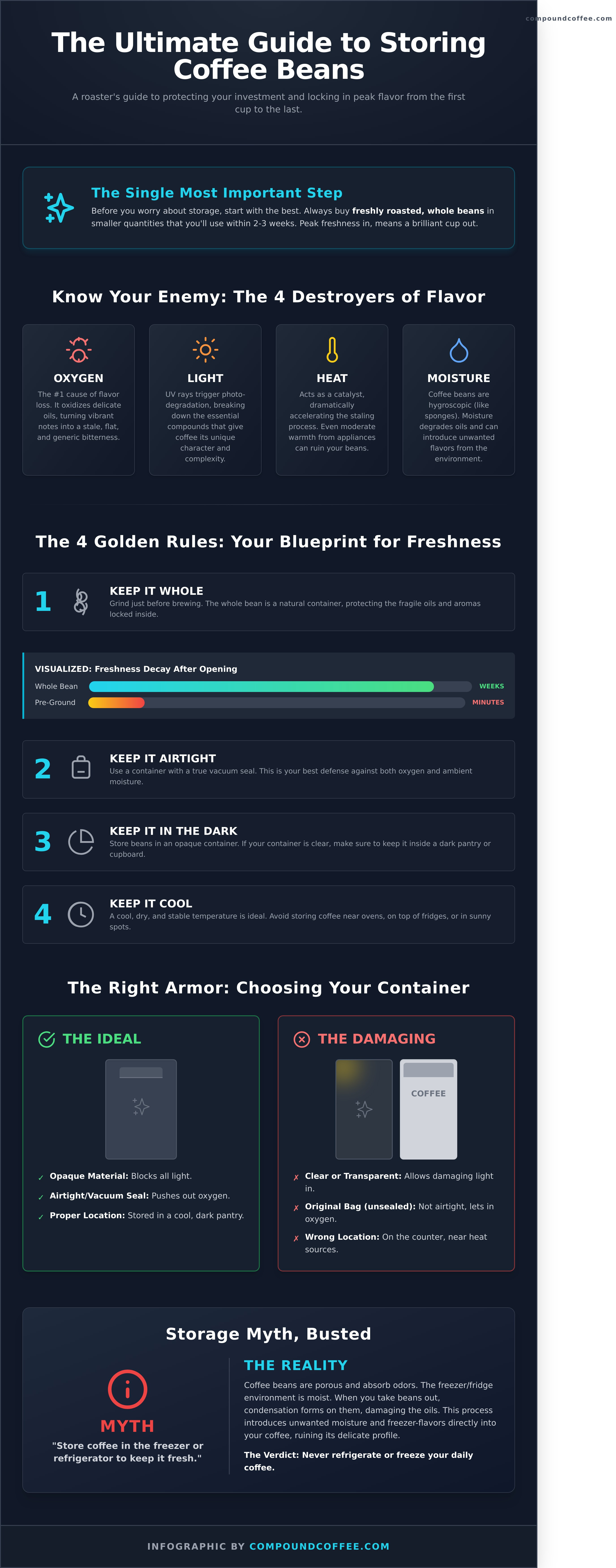
Oxygen is the primary adversary in your quest for fresh coffee. When coffee beans are exposed to air, their delicate oils begin to oxidize, turning stale and eventually rancid. Think of how a sliced apple turns brown and loses its crisp flavour-it’s the same chemical reaction. This oxidation is the number one cause of flavour loss, replacing vibrant, nuanced notes with a flat, generic bitterness in your final brew.
Enemy #2: Light (Photo-degradation)
Just like a vampire, your coffee beans fear the sun. UV light, even indirect sunlight filtering through a window, triggers photo-degradation. This process breaks down the essential chemical compounds that give your coffee its unique character and complexity. That beautiful clear glass jar on your sunny kitchen countertop might look great, but it’s actively destroying the flavour of the beans inside. Opaque is always the way to go.
Enemy #3: Heat (Accelerated Staling)
Heat acts as a catalyst, dramatically speeding up the staling process, especially oxidation. Storing your coffee near any heat source is a recipe for rapid flavour decay. Be mindful of common culprits in the kitchen: next to the oven, on top of the refrigerator where heat vents, or in a cabinet above the dishwasher. A cool, dark, and stable temperature is essential for preserving the coffee’s delicate profile.
Enemy #4: Moisture (Flavor Contamination)
Coffee beans are hygroscopic, which is a scientific way of saying they are like tiny, dry sponges that absorb moisture from their surroundings. This is especially critical in Singapore's humid climate. Moisture not only degrades the coffee’s oils but also acts as a vehicle for unwanted flavours. Storing beans near aromatic spices or onions? You might find those notes in your morning cup. Keeping them dry is key to a pure, clean experience.
The Golden Rules of Coffee Storage: A 4-Step Method
In the world of specialty coffee, preserving the integrity of the bean is a daily ritual. We're passionate about empowering you with the knowledge to elevate your home brewing, and it all starts with how you care for your coffee after it leaves our roastery. The secret isn't complicated; it's a simple, four-step method that professionals use to protect their beans. This framework is your best defense against what the National Coffee Association calls coffee's four enemies: air, moisture, heat, and light. But before we dive in, the most crucial step happens before storage: buy fresh coffee in smaller quantities you’ll use within a few weeks. Starting with peak freshness is the only way to end with a brilliant cup.
Rule 1: Keep it Whole
Think of a whole coffee bean as a perfect natural container, protecting the delicate oils and aromatic compounds within. Grinding coffee dramatically increases the surface area exposed to oxygen, causing it to go stale in minutes, not days. To unlock the most vibrant and complex flavors from your beans, the single most impactful change you can make is to grind them just moments before you brew. This simple act is fundamental to the hands-on experience of specialty coffee.
Rule 2: Keep it Airtight
Oxygen is the primary driver of stale, flat-tasting coffee. Your best defense is a truly airtight container. While the bag your coffee comes in is great for transport, once opened, its seal is often compromised. In a humid climate like Singapore's, protecting beans from moisture is equally critical. Invest in a quality storage canister with a proper vacuum seal to shield your coffee from both of these flavor-destroying elements and master how to store coffee beans to keep them fresh.
Rule 3: Keep it in the Dark
Light, especially direct sunlight, can degrade the quality of your roasted coffee beans faster than you might think. UV rays break down the fragile oils and aromas that give your coffee its unique character. The solution is beautifully simple: store your beans in an opaque container. If you love the look of a clear glass jar, just be sure to keep it tucked away inside a dark pantry or cupboard, away from any light sources.
Rule 4: Keep it Cool
Your coffee beans love a cool, dry, and stable environment. The ideal spot is a kitchen pantry or cupboard, far from any sources of heat. Avoid storing them next to your oven, on top of the refrigerator (which releases heat), or on a windowsill. Temperature fluctuations can create condensation inside your container, introducing dreaded moisture and ruining your beans. Consistency is key to preserving that perfect, just-roasted flavor.
Choosing the Best Coffee Storage Container
You've sourced incredible beans, and now the mission is to protect their vibrant flavours. The container you choose is your first line of defence against the elements that degrade coffee. Think of it not as a simple jar, but as a crucial investment in a consistently amazing coffee experience. When considering how to store coffee beans to keep them fresh, the ideal container must accomplish two critical tasks: it must be airtight to block oxygen and opaque to block light.
Material Matters: Ceramic, Glass, and Stainless Steel
The material of your container does more than just hold your beans; it actively protects their delicate aromatic compounds. Here’s a quick rundown of the best options:
Ceramic: A fantastic, timeless choice. It's completely opaque, blocking out damaging UV rays, and is non-reactive, meaning it won’t impart any unwanted flavours. Look for one with a silicone or rubber gasket for a truly airtight seal.
Opaque Glass: A stylish option, but only if it’s truly opaque or you commit to storing it in a dark pantry. Clear glass is a definite no-go for countertop storage, especially in a bright Singaporean kitchen.
Stainless Steel: Durable, lightweight, and excellent at blocking light. The key here is the quality of the lid-ensure it clamps down or screws on tightly to create a proper, unbreachable seal.
Special Features: One-Way Valves and Vacuum Sealing
For those looking to elevate their passion for freshness, some containers come with advanced features. Freshly roasted beans release carbon dioxide in a process called degassing; a one-way CO2 valve lets this gas escape without allowing destructive oxygen to enter. This is perfect if you buy your beans within days of roasting. Vacuum-sealing canisters take it a step further by actively pumping air out, offering maximum protection from oxidation. While not essential for every home brewer, these features are a game-changer for enthusiasts dedicated to preserving peak flavour.
What to Avoid: The Original Bag and Other Mistakes
Just as important as knowing what to use is knowing what to avoid. Steer clear of these common pitfalls to ensure you know how to store coffee beans to keep them fresh the right way.
The Original Bag: While convenient, most coffee bags are not designed for long-term storage after opening. Their zip-lock seals are rarely truly airtight.
Clear Containers on the Counter: This is the fastest way to stale beans. Light, along with air, moisture, and heat, is a primary enemy of freshness, a fact supported by the National Coffee Association storage guidelines.
Poorly Sealed Containers: If you can easily pull the lid off without any resistance, it’s not protecting your coffee. That small gap is an open invitation for oxygen to begin its work of degrading those beautiful flavours you paid for.
Common Coffee Storage Myths, Debunked by Roasters
At Compound Coffee Co., our passion is empowering you to create the ultimate coffee experience at home. That journey starts with understanding your beans. We’ve heard it all when it comes to coffee storage, so let's use our hands-on knowledge to debunk the myths that are sabotaging your brew. Think of this as insider knowledge from people who live and breathe coffee every single day.
The Freezer Fallacy: Why Freezing Is a Bad Idea
The idea of freezing coffee to lock in freshness seems logical, but in practice, it does more harm than good. When you remove beans from the freezer, the dramatic temperature change causes condensation to form on their surface. This moisture attacks the fragile, soluble oils responsible for all those incredible notes of chocolate, fruit, and florals, leaving you with a flat, lifeless cup.
Furthermore, coffee beans are porous and will absorb any nearby aromas. Unless you enjoy a hint of frozen curry or fish with your morning espresso, the freezer is a high-risk zone. The only exception is for long-term archival storage of a completely unopened, vacuum-sealed bag that you won’t touch for months. For daily use, it's a guaranteed flavour killer.
The Refrigerator Risk: Colder Isn't Better
If the freezer is bad, the refrigerator is even worse for your daily coffee supply. It’s a high-moisture, high-odor environment. Every time you open the fridge door, you expose your beans to temperature fluctuations and condensation. This repeated moisture shock is a fast track to stale, muted coffee.
The best method for how to store coffee beans to keep them fresh is to combat their four key enemies: oxygen, heat, light, and moisture. The fridge actively introduces moisture and a host of unwanted odours. A cool, dark, and dry pantry cupboard is always the superior choice. By avoiding these common pitfalls, you honour the bean's journey and unlock the vibrant, delicious potential we work so hard to roast into it.
From Bean to Cup: How Storage Impacts Your Brew
You've meticulously followed every step-the airtight container, the cool, dark cupboard. But why? Because the secret to an exceptional cup of coffee lies not just in the brewing, but in the life of the bean before it ever touches water. Understanding how storage directly affects flavour empowers you to troubleshoot your brew and unlock the true potential of your coffee.
The Timeline of Freshness: From Roast Date to Stale
Coffee is a fresh, agricultural product. Immediately after roasting, beans begin to release CO2 in a process called degassing. While necessary, this also marks the start of flavour degradation. Most beans hit their 'peak flavour' window between 3 to 14 days after roasting. Once you open a bag, you generally have about 2-3 weeks to enjoy the coffee at its best before the vibrant notes begin to fade.
Tasting the Difference: Stale vs. Fresh Coffee
The impact of freshness on your final cup is dramatic. A brew made from fresh beans is an entirely different experience, full of life and complexity. Here’s what to look for:
Fresh Coffee: Expect a vibrant, often sparkling acidity, clear and distinct flavour notes (like berries, citrus, or chocolate), and a sweet, captivating aroma.
Stale Coffee: Tastes flat, one-dimensional, and often woody or bitter. The beautiful aroma is gone, replaced by a dusty or cardboard-like scent.
This difference is most obvious in brewing methods like espresso, where the rich, stable crema is a direct result of the gasses trapped within fresh beans. No crema often means no freshness.
Pro Tip: Buy Little and Often
After all the discussion on containers and location, the single most effective way to guarantee a delicious cup is simple: buy smaller batches of freshly roasted coffee beans more frequently. Aim to purchase only what you'll consume in one to two weeks. Ultimately, the best method for how to store coffee beans to keep them fresh is to not store them for long at all. A small, fresh bag will always deliver a superior experience to a large, slowly staling one.
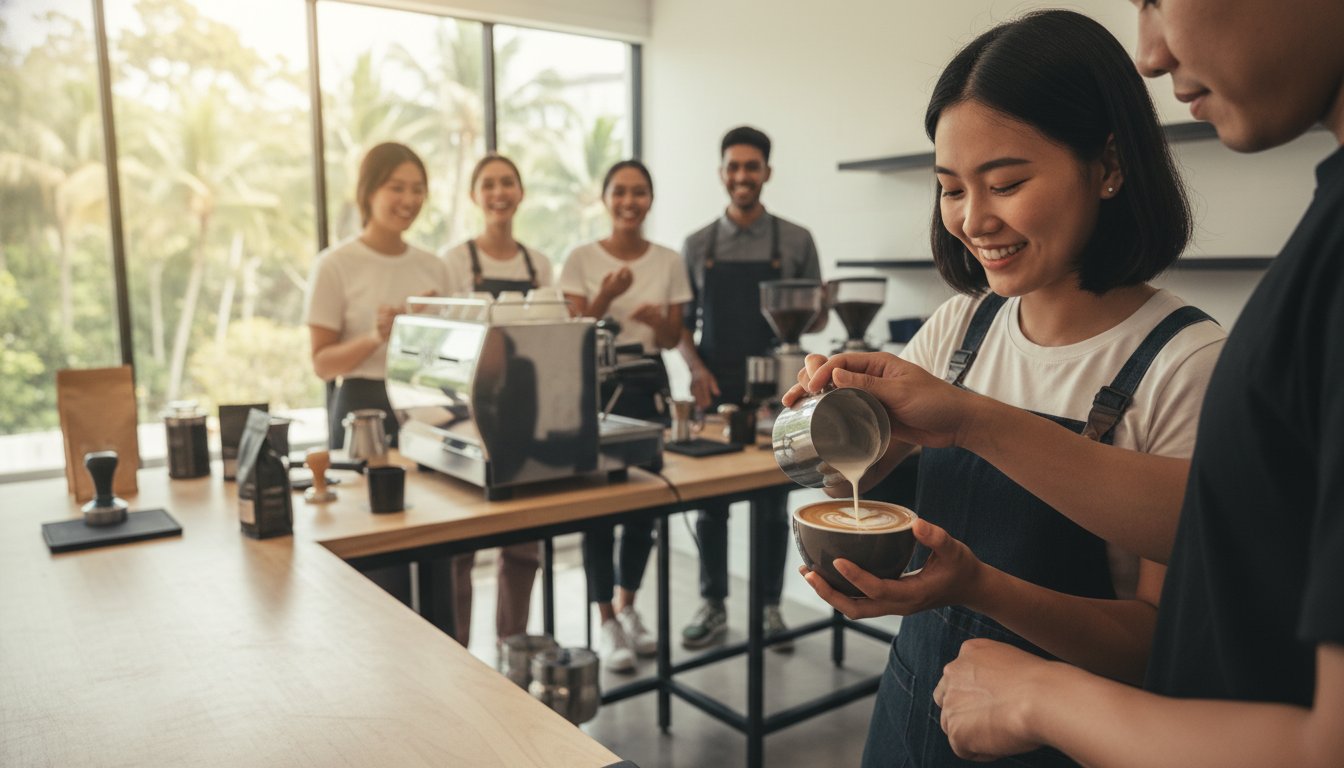
Ready to put this knowledge into practice? Our hands-on coffee classes cover the entire journey from bean to brew, empowering you to master every variable for the perfect cup.
Mastering Freshness: Your Final Step to a Perfect Brew
You're now equipped with the roaster's secrets to coffee perfection. Mastering how to store coffee beans to keep them fresh is the single most impactful step you can take after buying a great bag. Remember the golden rules: protect your beans from their four enemies-air, moisture, heat, and light-and always use a proper airtight container. This isn't just storage; it's the preservation of flavour, aroma, and the farmer's hard work.
As passionate, professional coffee roasters, we live and breathe this philosophy every single day. Our community-focused mission is to share our expert advice, empowering your home brewing journey from the moment you choose your beans. The ultimate coffee experience begins with an exceptional bean, roasted with intention and care.
Ready to put your newfound knowledge to the test? Explore our selection of freshly roasted specialty coffee beans and taste the difference that true freshness makes. Go on, empower your mornings and brew with confidence. Your perfect cup awaits.
Frequently Asked Questions
How long do coffee beans stay fresh after roasting?
Coffee beans are at their absolute peak flavour between 4 to 14 days after the roast date. This is the sweet spot where the beans have finished degassing but haven't yet lost their vibrant aromatics to oxidation. While they are still very good for up to a month, we encourage you to enjoy them within this peak window for the ultimate coffee experience. Always check the roast date on the bag-it’s your most important guide to freshness!
Is it okay to store coffee in the original bag it came in?
Absolutely! Most specialty coffee bags, like ours, are designed for this exact purpose. Look for a bag with a resealable zip-lock and a one-way CO2 valve. These features are engineered to protect your precious beans from their two biggest enemies: oxygen and light. Simply squeeze out any excess air before you seal it, and you’ve got an excellent storage solution right there. No need to transfer them to another container.
What is the CO2 one-way valve on a coffee bag for?
That little circle is a one-way degassing valve, and it’s a crucial piece of technology. After roasting, coffee beans release a significant amount of carbon dioxide (CO2). This valve cleverly lets that CO2 escape so the bag doesn’t inflate and burst. More importantly, it doesn't let any oxygen-which causes coffee to go stale-get inside. It’s a simple but brilliant way to protect the beans and preserve their incredible flavour profile.
Does ground coffee need to be stored differently than whole beans?
Yes, the principles are the same, but the clock ticks much faster for ground coffee. Grinding dramatically increases the surface area exposed to oxygen, accelerating the staling process. While you store it the same way-in an airtight, cool, dark place-ground coffee loses its vibrancy in days, not weeks. For the most passionate coffee lovers, we always recommend buying whole beans and grinding them just moments before you brew. It truly elevates the experience.
Can I 'revive' stale coffee beans?
Unfortunately, once the volatile aromatic compounds that give coffee its amazing flavour and aroma have disappeared, they're gone for good. You can’t truly 'revive' stale beans back to their former glory. However, don't throw them out! Stale beans can be repurposed. They are often more forgiving when used for cold brew, or you can get creative and use them to make coffee-infused simple syrups for cocktails or desserts. It’s all about experimenting!
Is there any situation where freezing coffee beans is acceptable?
For long-term storage, yes, but it must be done with precision. The best method for how to store coffee beans to keep them fresh in the freezer is to portion them into small, airtight, vacuum-sealed bags. Only freeze what you won't use within a month. When you need them, thaw a single bag completely before opening it to prevent condensation from ruining the beans. Never refreeze coffee, and avoid the freezer for your daily supply.
Comments